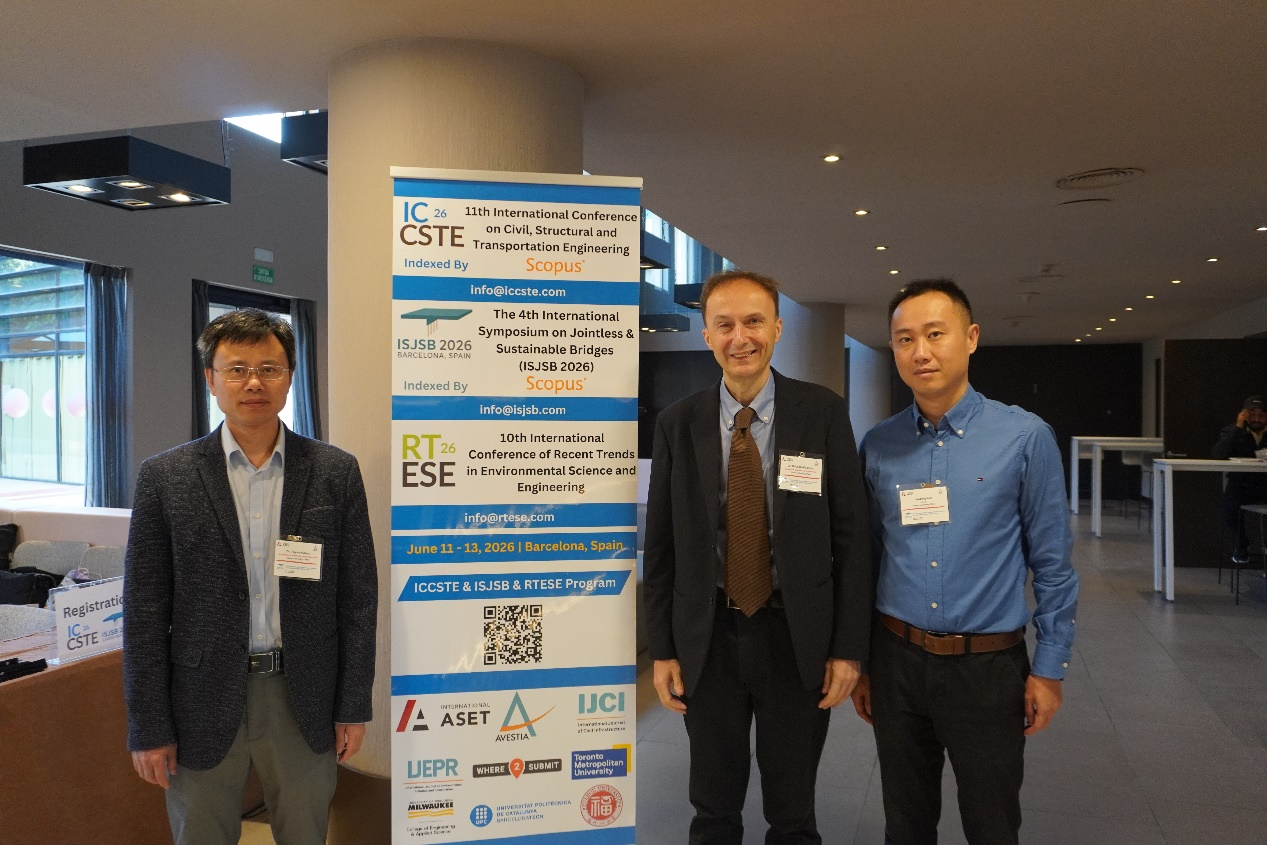
Barcelona, Spain – June 12–13, 2026 – The 4th International Symposium on Jointless & Sustainable Bridges (ISJSB 2026) was successfully convened in Barcelona, Spain, under the core theme “Application and Development of Jointless and Sustainable Bridge Technologies.” The symposium was organized by the International Association for Jointless Bridges (IAJB), co-sponsored by International ASET Inc. and Universitat Politècnica de Catalunya (Spain), and jointly hosted by Fuzhou University (China), University of Wisconsin–Milwaukee (USA) and Toronto Metropolitan University (Canada). Supporting organizations included IJCI and IJEPR, among others.

Opening Ceremony and Keynote Sessions
The opening ceremony took place on the morning of June 12. Prof. Khaled Sennah, Fellow of the Canadian Academy of Engineering and Vice-Chair of the IAJB Executive Committee (Toronto Metropolitan University, Canada), and Prof. Habib Tabatabai, Chair of the ISJSB 2026 Academic Committee (University of Wisconsin–Milwaukee, USA), delivered welcome addresses.
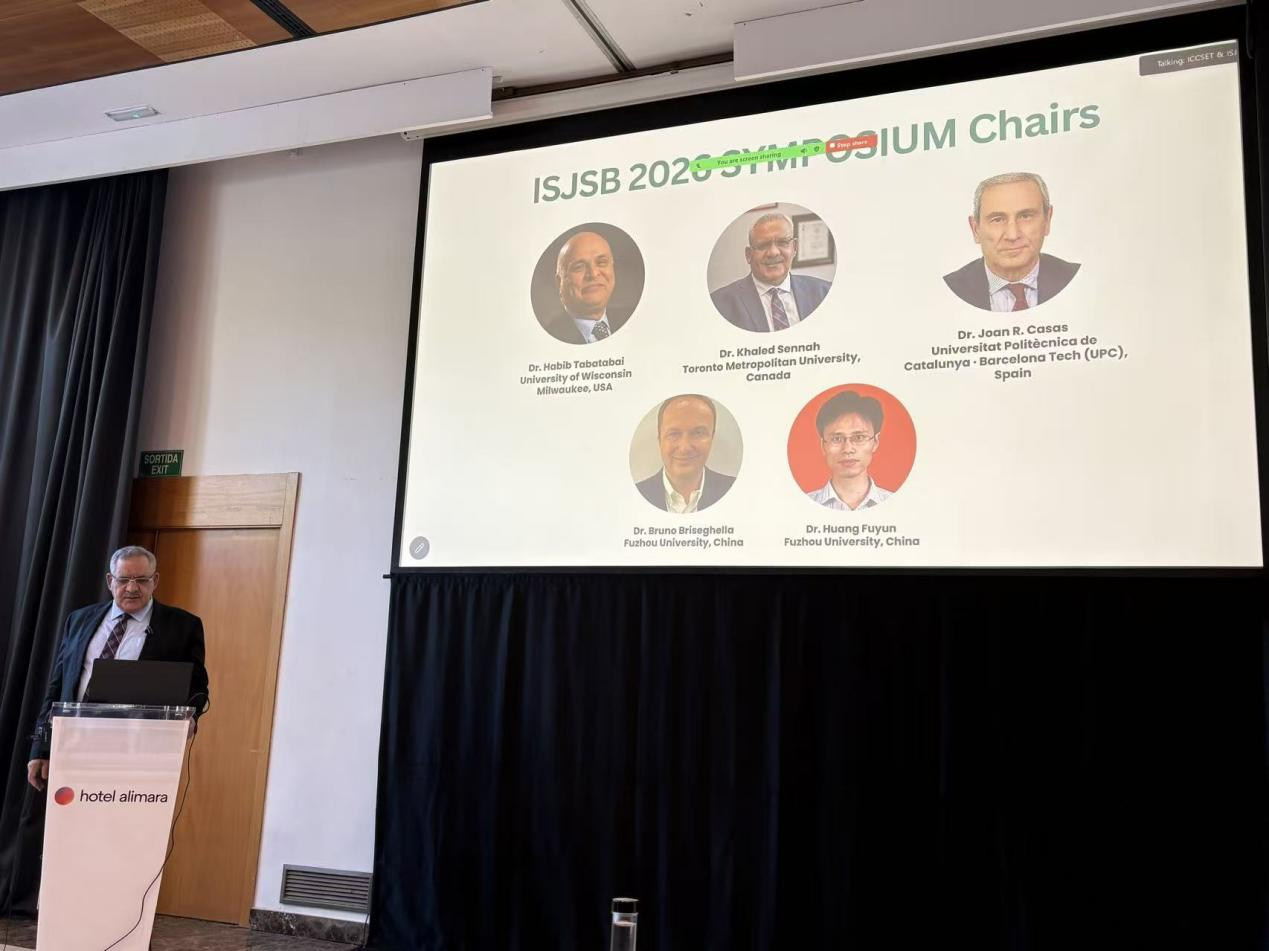
Immediately following the opening, Prof. Bruno Briseghella, President of the IAJB and professor at Fuzhou University, chaired the keynote session. Prof. Mohsen A. Issa (University of Illinois Chicago, USA) presented a detailed study on integral abutment bridges, focusing on the structural behavior and numerical analysis of single steel pipe piles and H-piles under fixed and pinned connections. Dr. Kris Mermigas (Ontario Ministry of Transportation, Canada) provided an overview of integral abutment bridges in Ontario, covering historical performance, trends, and future prospects.
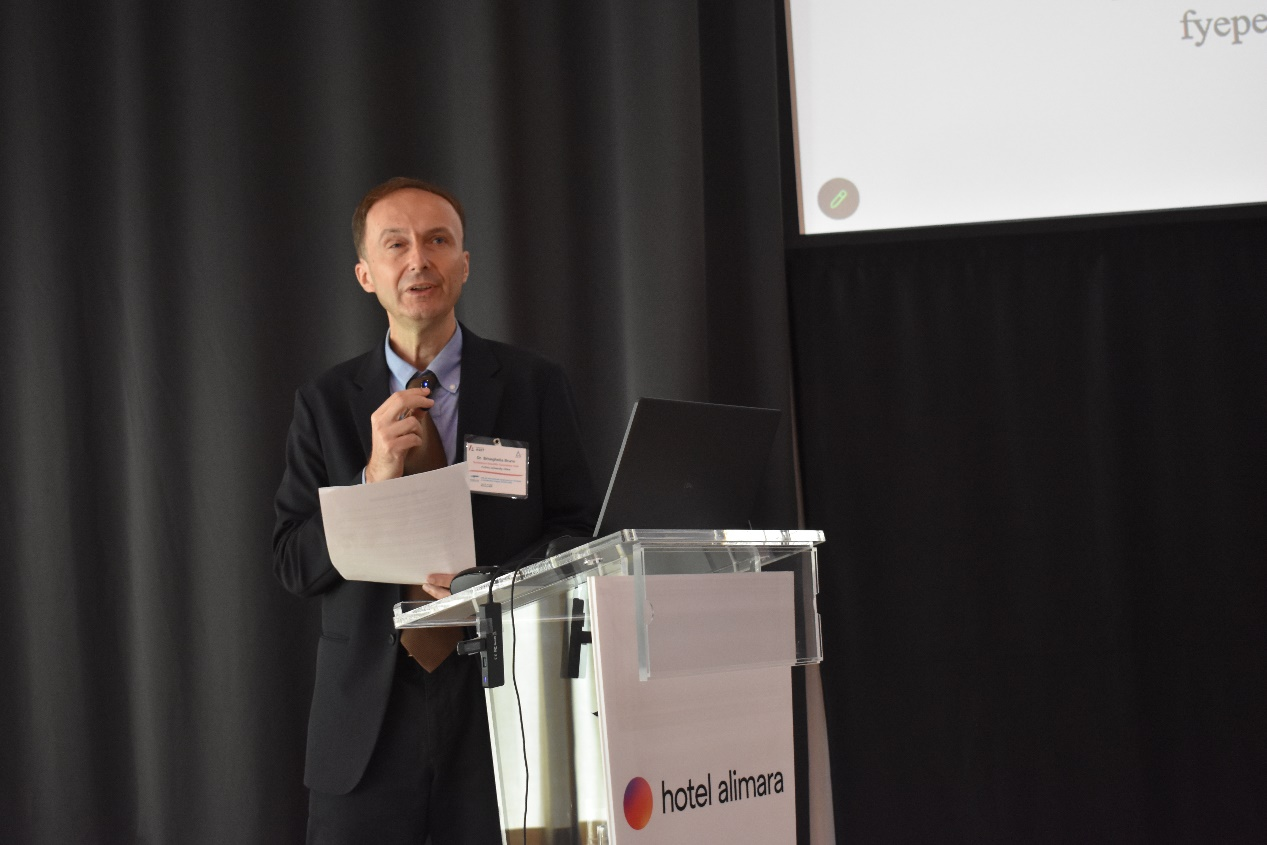
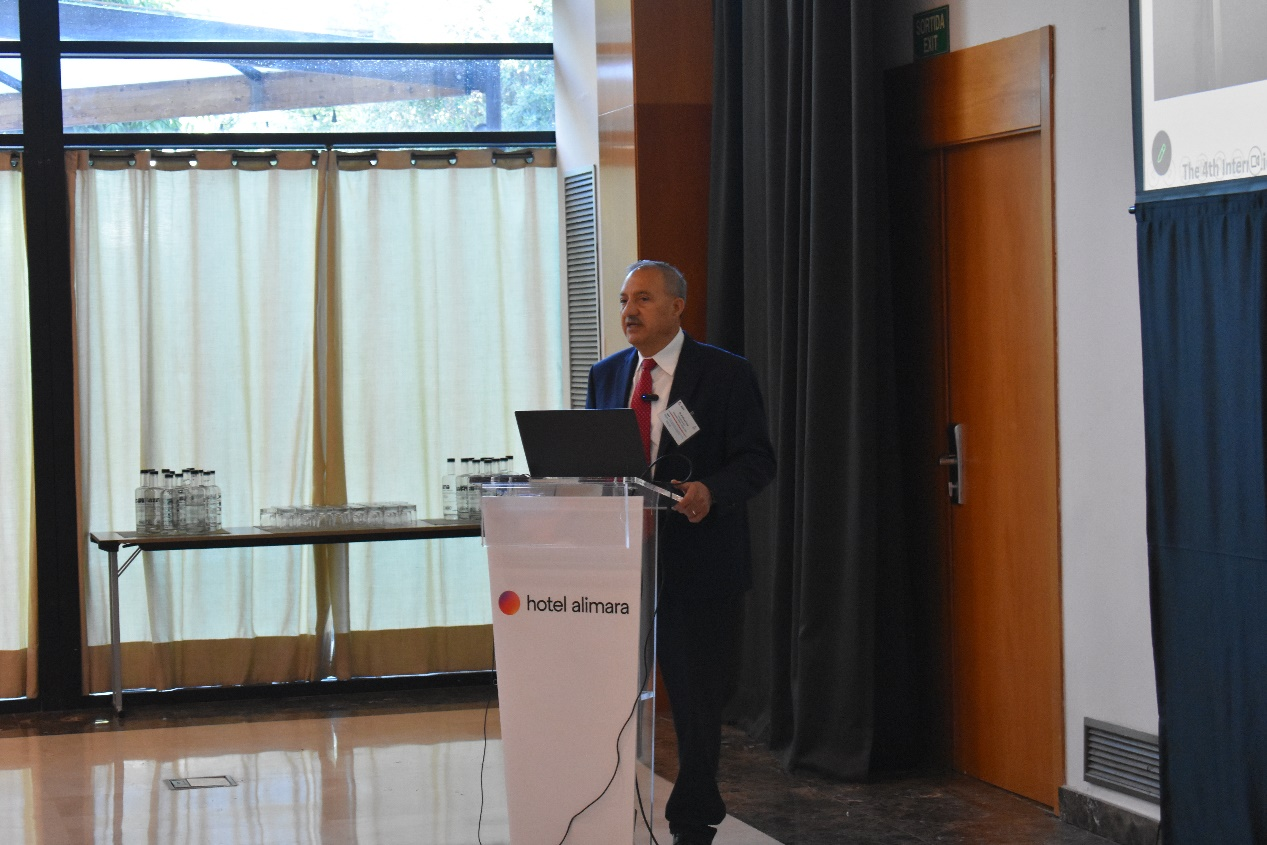
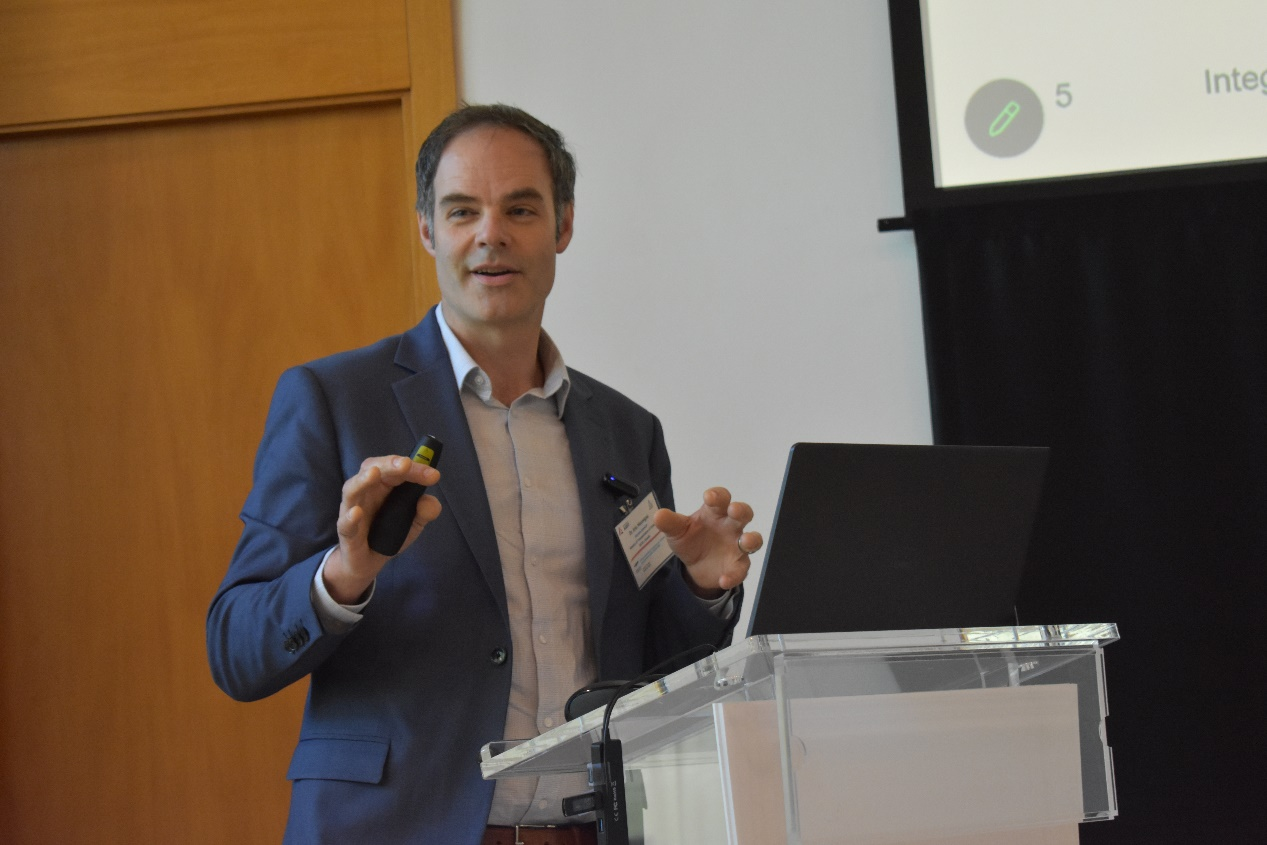
On the afternoon of June 12, Prof. Fuyun Huang (Fuzhou University) presented a case study on the mechanical behavior of integral abutment bridges with geosynthetic-reinforced soil (GRS). Assistant Prof. Arun Paudel (Tribhuvan University, Nepal) discussed the current status, feasibility, and future applications of jointless bridges in Nepal, supported by case studies and analyses. Prof. Habib Tabatabai then introduced a new concept of sliding semi-integral abutments.
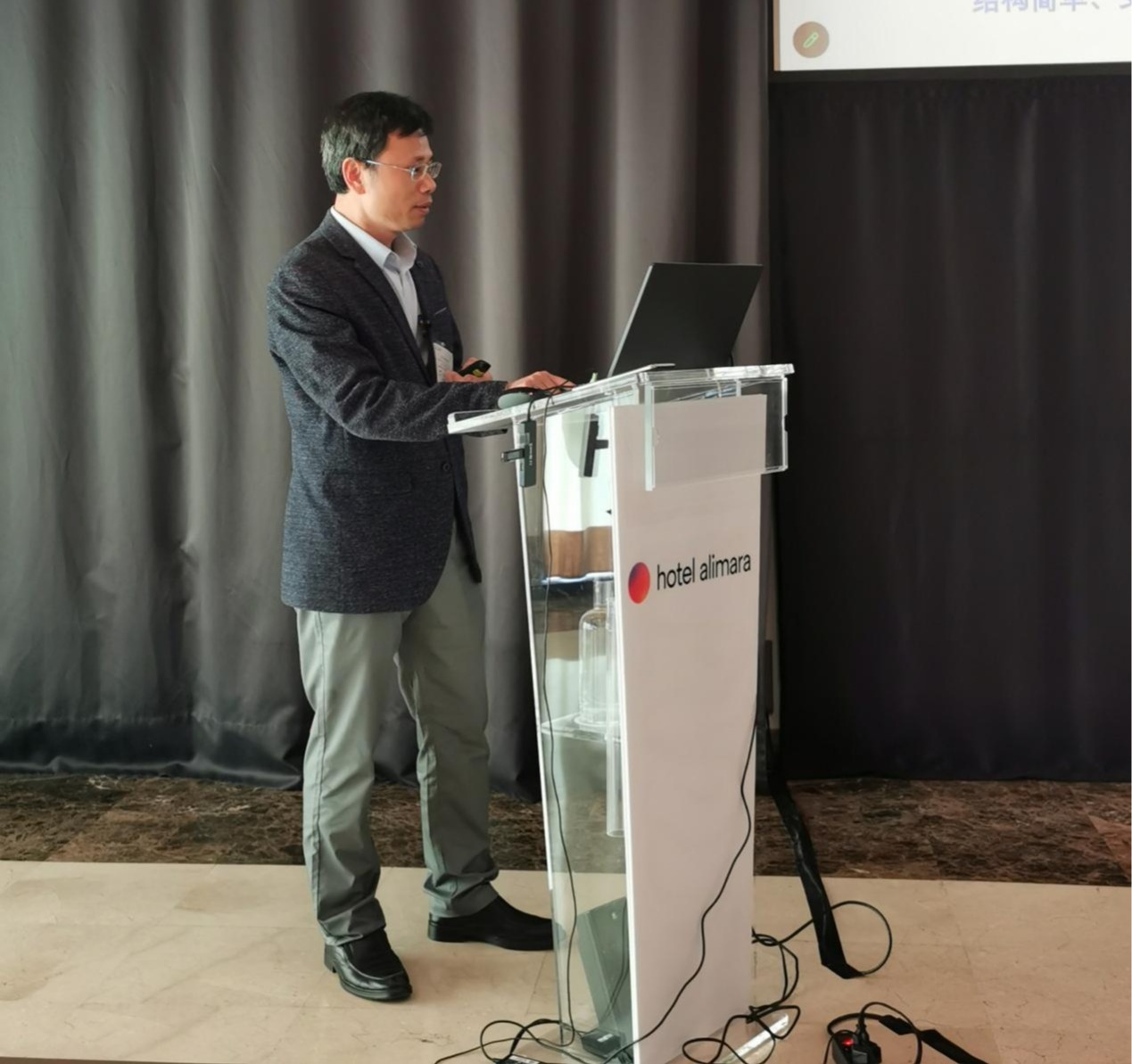
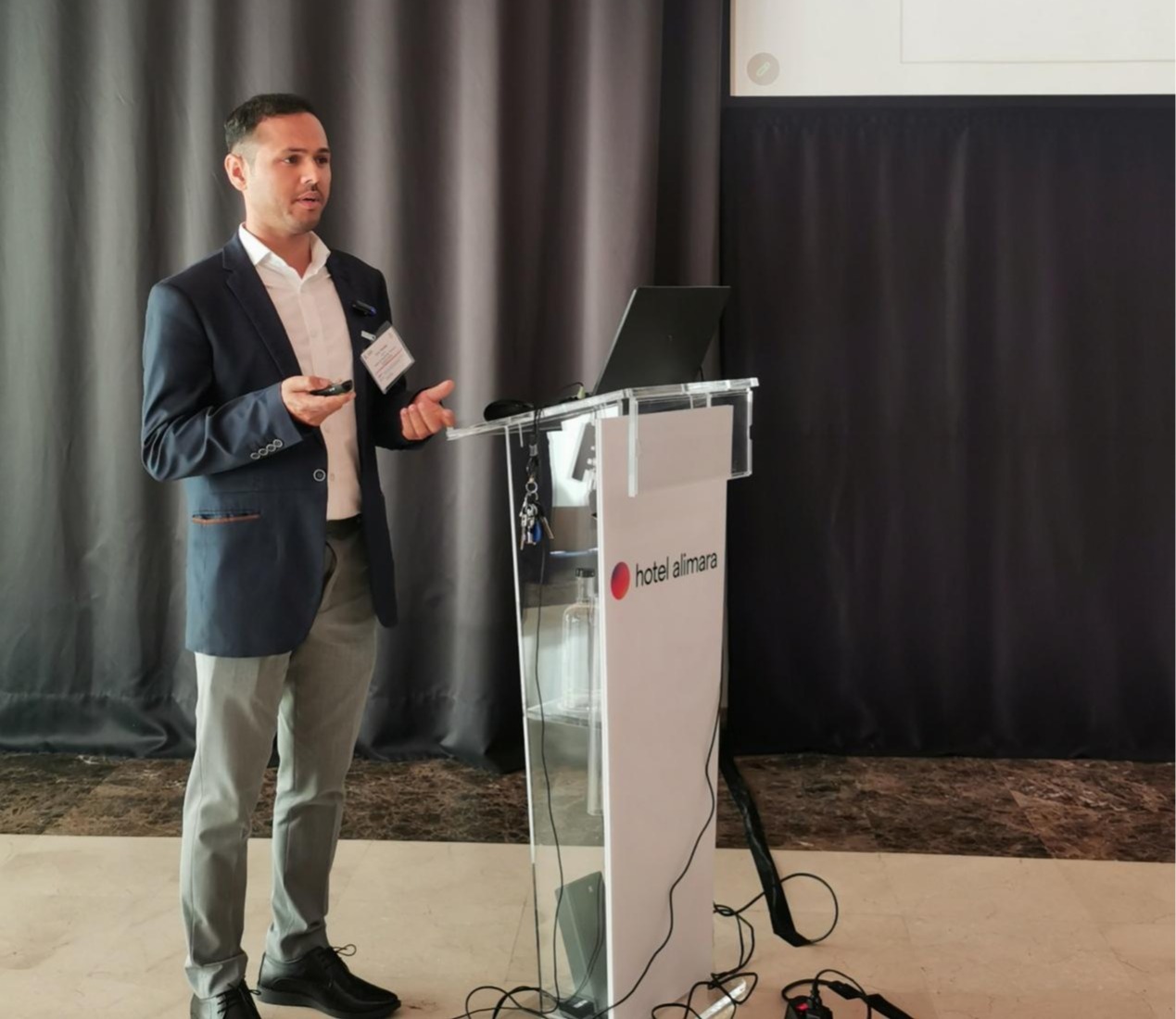
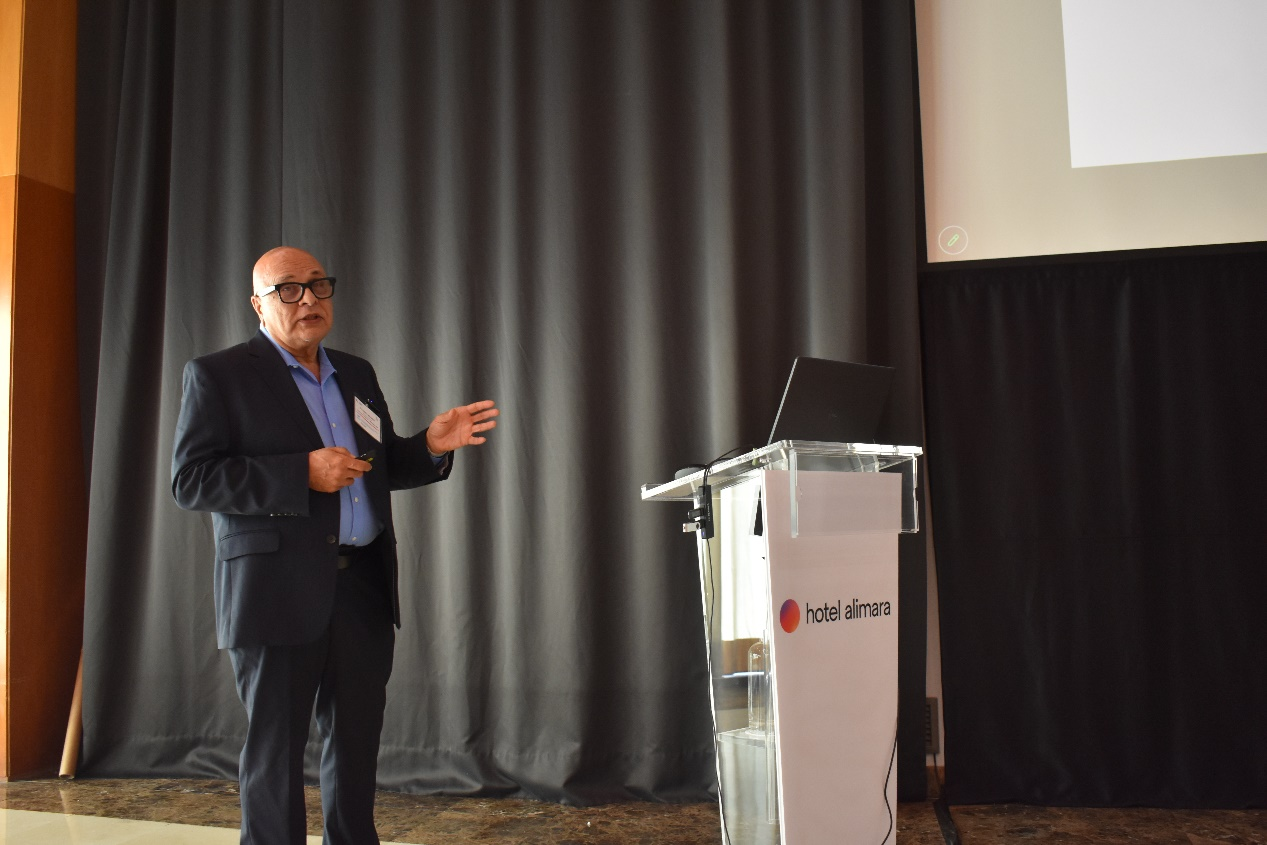
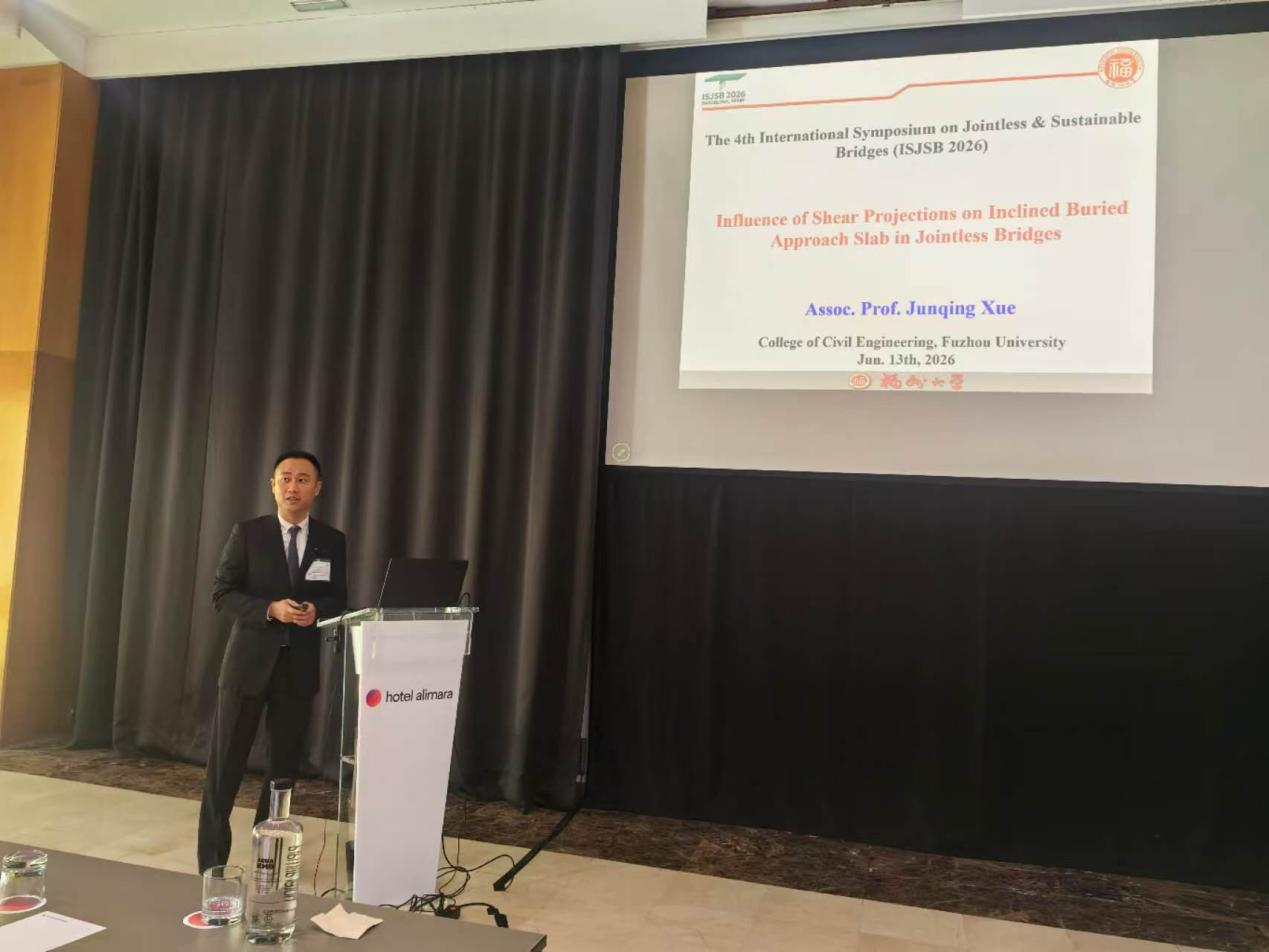
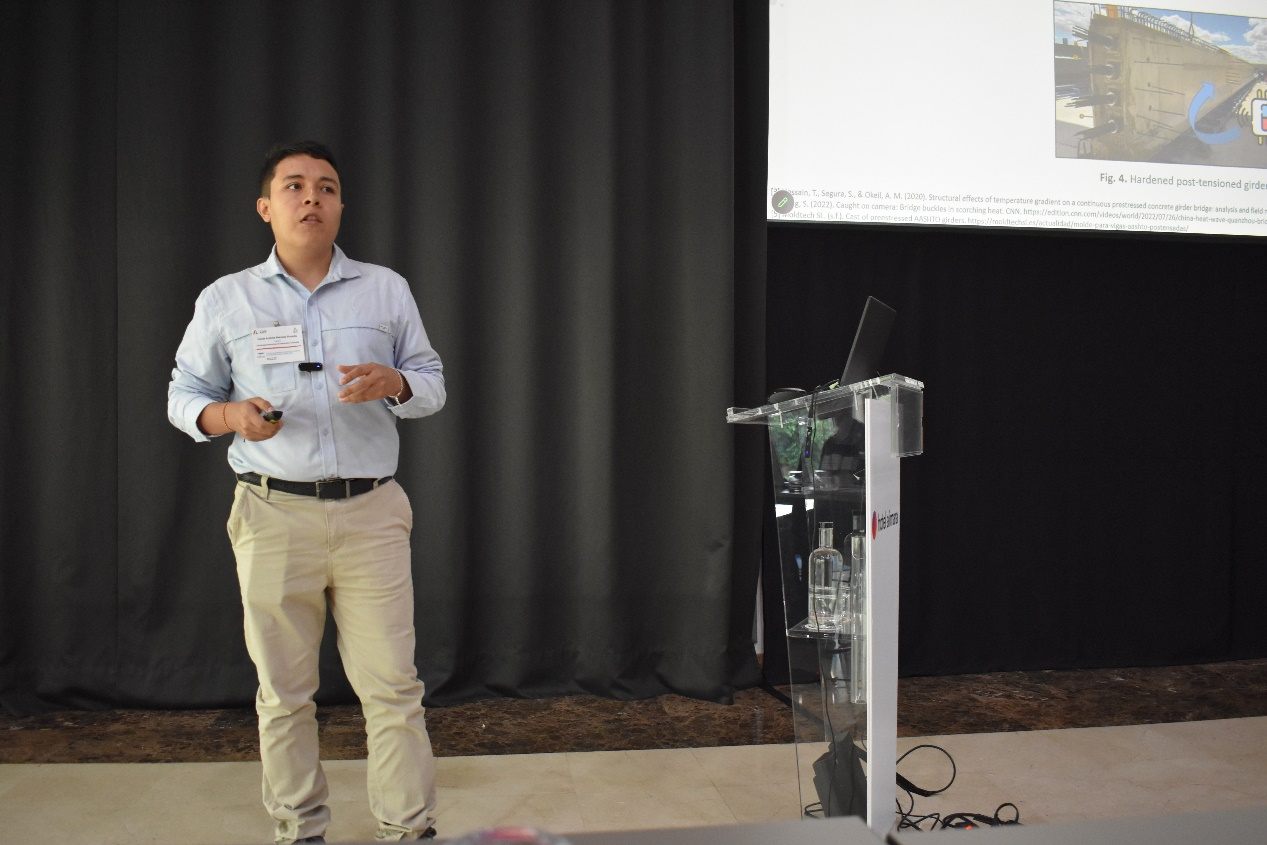
On the afternoon of June 13, Associate Prof. Junqing Xue (Fuzhou University) and Dr. César Méndez-Poveda (Universidad Industrial de Santander, Colombia) delivered presentations on the influence of shear projections on the mechanical performance of skewed embedded approach slabs in jointless bridges, and on a non-contact structural health monitoring system that uses surface temperature and meteorological data as predictors for internal temperature of concrete bridge girders, respectively.
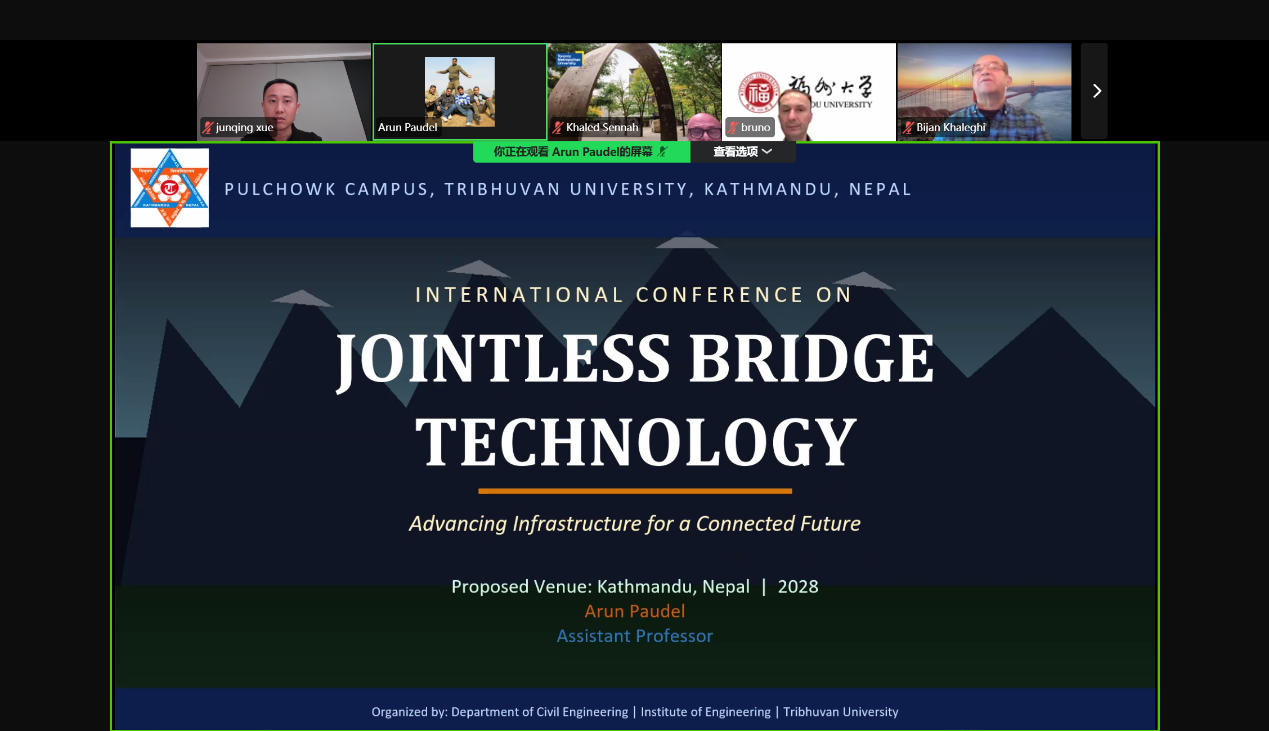
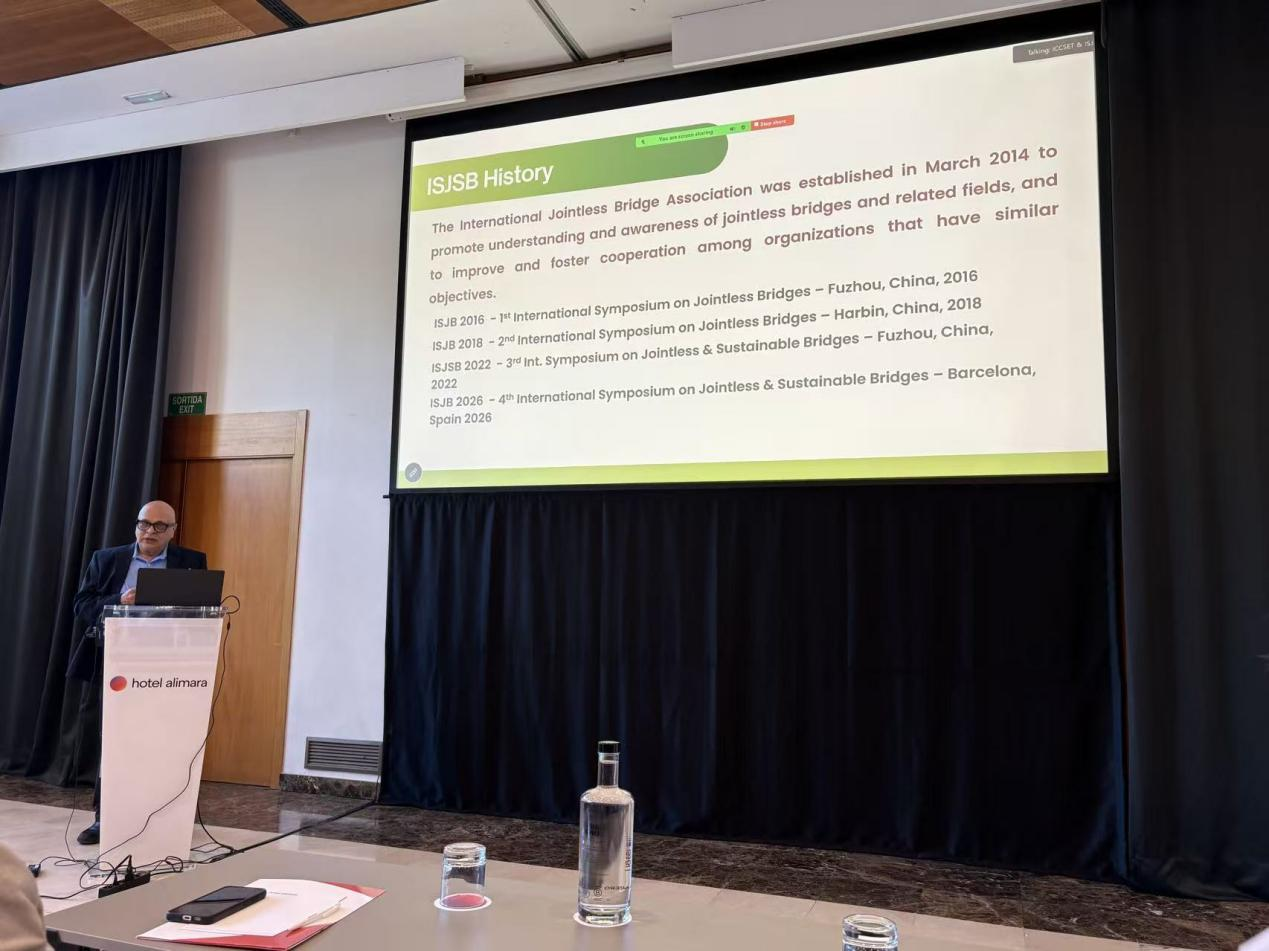
On the afternoon of June 11 (prior to the main symposium), the IAJB Technical Committee meeting was held in a hybrid online–offline format, chaired by Prof. Bruno Briseghella, President of IAJB, and Prof. Fuyun Huang, Secretary-General of IAJB. Participants included, Prof. Khaled Sennah (Toronto Metropolitan University, Canada), Prof. Bijan Khaleghi (Chair of International Association of Bridge Earthquake Engineering (IABEE)), Prof. Murat Dicleli (Middle East Technical University, Turkey), Prof. Habib Tabatabai (University of Wisconsin–Milwaukee, USA), Associate Prof. Junqing Xue (Fuzhou University, China), and Assistant Prof. Arun Paudel (Tribhuvan University, Nepal). Prof. Huang reviewed the association’s development over the past years and summarized previous IAJB symposia.
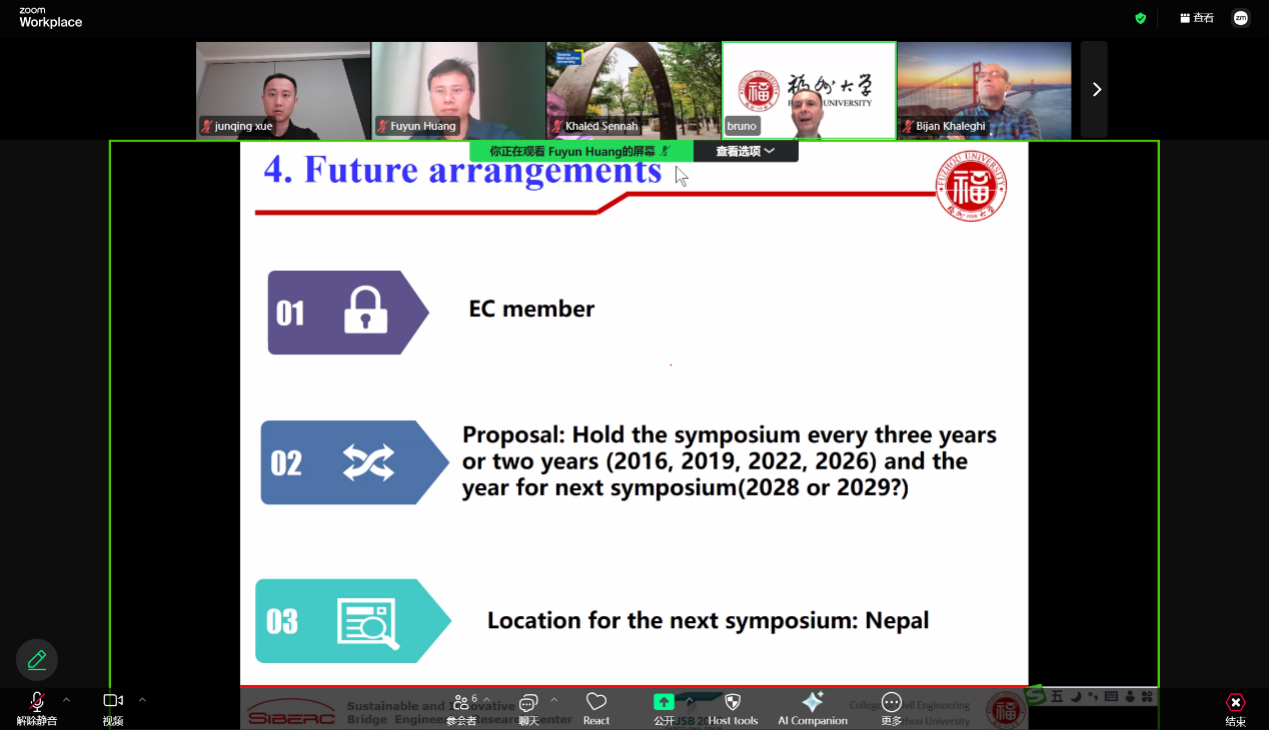
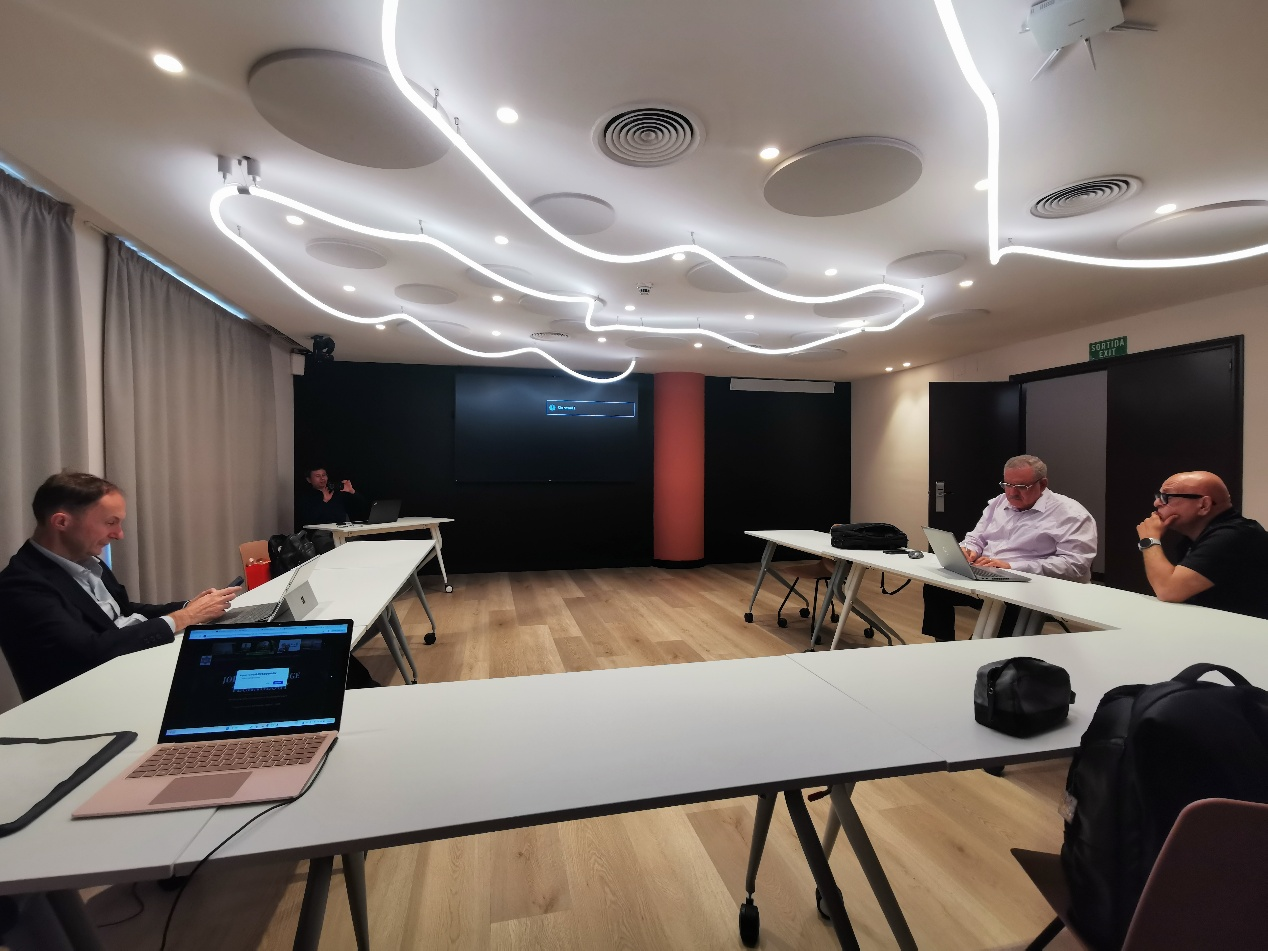
During the final part of the meeting, Assistant Prof. Arun Paudel presented a proposal on behalf of Tribhuvan University to host the next edition of the symposium. Following an in-depth discussion and a formal vote, it was officially announced that the 5th International Symposium on Jointless & Sustainable Bridges (ISJSB 2028) will be held in Kathmandu, Nepal, in October 2028.